
Dr Akram Beniamin
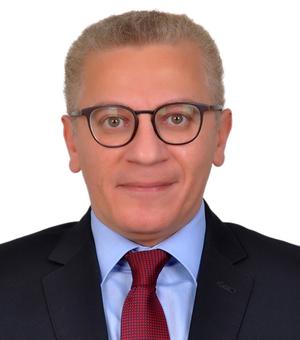
Akram Beniamin was a postdoctoral researcher on the ERC-funded project 'Global Correspondent Banking, 1870-2000' from 2023 to 2026. His research focused on how correspondent bank relationships were affected by cross-border banking crises, with a particular focus on the Central European banking crisis of 1931 and its impact on correspondent banking networks between Germany and London.
Akram is an international business historian specialising in developing countries, particularly the Middle East. His broader research interests includes financial and banking history. He holds a PhD in International Business & Strategy (Business History) from Henley Business School, University of Reading. Akram's PhD dissertation on cotton commodity networks, foreign banking, and business networks of interlocking directorates in Egypt during the later 19th and early 20th centuries was awarded the Association of Business Historians' Coleman Prize.
Akram has supervised undergraduate and postgraduate dissertations in international business at Birmingham University Business School and Amsterdam Business School. Outside academia, Akram is a Chartered Financial Analyst (CFA) holder. He worked for more than twelve years in the banking industry in Egypt, spanning corporate banking, credit risk and, more recently, enterprise risk management.

